Showing posts with label Europe. Show all posts

So much hoo-ha about a drink?

Outlook has a long article on drinking and bars in India, and how the drinks culture has spread and changed in India over the past two liberalized decades. It made me think about differences in Indian and Italian attitudes towards alcoholic drinks.

I have a feeling that the attitudes towards social drinking in India are very much influenced by British-American attitudes towards alcohol. In the article in Outlook, Anvar Alikhan gives a list of characteristics of a good drinking place:
.. what exactly makes a good bar? It’s a complex, personal issue: what a 22-year-old girl would look for would naturally be different from what a 44-year-old male would want. However, certain basic, universal requirements generally apply, such as:

- First, a good drinks menu, with a sufficiently wide selection of good drinks, poured generously.
- There should be a great bartender. He doesn’t have to be a circus juggler, but he must be good at his job, able to mix interesting, innovative cocktails.
- Probably the single most important factor is that the crowd should belong to your “tribe”. Not necessarily people you know, but the kind of people you’d like to know. That’s what gives you a sense of belonging, and makes you want to come back here next time.
- The place must be 60 per cent full. Less than that and it’s uninvitingly empty; more than that and it’s too crowded.
- The service must be efficient, anticipative and unobtrusive. You shouldn’t have to keep waving out for a waiter.
- The music must be interesting, with a mix of familiarity and slight surprise. And the volume must be just right: not so loud that you can’t figure out what your companions are trying to say.
- Great lighting can make a huge difference to any bar.
- Comfortable chairs. Un-ergonomic furniture soon becomes a pain.
- The prices can be premium, but they should never leave you with a feeling of being ripped off.
- A distinctive character, a sense of history, or even a slight eccentricity always adds something special to a bar.
- Ultimately, no bar ever attains perfection. And if it did, it probably wouldn’t be any good anymore. Some small imperfection is always interesting.
My attitudes towards bars and social drinking are obviously influenced by my living in Italy, the original bar country, where there are bars at every corner and where in some areas, small kids, especially in rural areas, get to taste few spoons of wine from a very tender age, and where there are often discussions on nutritional values of wines and local liquers.

In Italy, when people want to go to a bar, they usually go to the one closer to their homes or their work places, or on the way from the home to the work-place, especially where it is easy to find a parking. Here, people go to the bar throughout the day - in the morning for a cup of coffee and a cornetto for breakfast, for another cup of coffee around mid-morning, for a sandwich for lunch or dinner. In all these occasions, some people will also ask for wine or other drink. Some times, usually in winter, some will ask for a drop of Grappa, the Italian grape liquer, in their coffee. So I feel that the relationships with the bars are very different from the ones described above by Alikhan, it is much more familiar.

Thus even attitudes towards drinking are quite matter of fact, and I have never heard of persons talking of good bars and bad bars. May be they talk of clean or dirty bars, or, they talk of friendly and unfriendly barmen/women.

The main differences between Italian attitudes and Indian (and British) attitudes towards drinking seem to be that in Italy, most persons drink wines every day with dinner, and on weekends and holidays, also during lunch. If you are invited by friends to lunch/dinner, you will get offered invariably some light appettizer drinks, then have some good wine with food and then finally have a selection of liquers for after-dinner drinks, that will usually end with a "digestive", that is a bitter tasting liquer with some herbs in it.

In a bar, in the evening, if you are with friends, you can try some exotic looking cocktail, for some social drinking. I think that women go more for this kind of drinking.

Beer drinking is not so common in Italy. Younger people drink it more. Some times, especially on hot days, people will offer you a bottle or can of beer, or you will order beer for drinking with your pizza. But most drinking is done with food or after-food and focuses on wines. I have also not seen persons drinking umpteen bottles of beer to get drunk, like it happens in Africa.

You hardly ever mix water or or soda or even ice in the hard liquers in Italy. I have yet to meet someone here who starts his drinks every evening, before dinner, with two or three pegs of hard liquer, usually whiskey, mixed with water/soda, accompanied by some snacks, that is so ubiquitous in India.

Most important difference in the attitudes towards alcoholic drinks between Italy and India, seems to be the aura of something bad or prohibited that surrounds drinking in India, in spite of the liberalization and changing attitudes in the recent years. The peripheries of cities like Bangalore, are full of seedy looking, dirty and ill-lit drinking joints, where you "hide" to drink. While in Italy, it is more of a common pleasure of life, taken for granted, sips offered to children and to growing up adolescents much like tea in India, and at the same time, that avoids hard drinking.

I have been fortunate with drinks, because invariably the first glass of anything remotely alcoholic is enough to make me sleepy, so usually I tend to avoid drinks. Having half a glass of red wine is usually enough for me! Drnking also makes me more melancholic and introverted. For me, a good bar will be where it is not too crowded, that has no loud music so that people can talk and that does not allow smoking.

Every country has its drink-culture and probably our colonial pasts mixing up with our specific cultural backgrounds, do influence those drinking-cultures. The Mongolian way of seriouly drinking vodka on every occasion or the Caribbean way of having rum or the German love for beer, are very different from the drinking cultures in India and Italy.

However, I think that I need to remember the Indian habits towards drinking when we have guests from India. This means that I must make sure to have whiskey, soda, ice, snacks, etc. and offer it for pre-dinner drinks. I usually forget it and I don't think that our Indian guests appreciate the Italian way of having some light appettizer, wine with food and an offer of post-dinner drinks or digestives!

Usually for an evening with friends, I would prefer to be with at home. We have a good selection of liquers from different countries. This way, no body tries to insist and force me to drink anything and at the end, I usually drink some wine and may be some digestive. And, best of all, after the evening is over I can go straight to sleep!

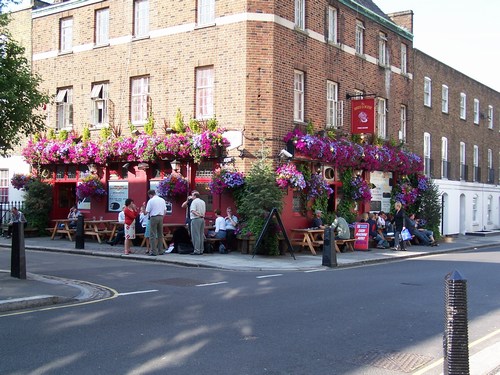
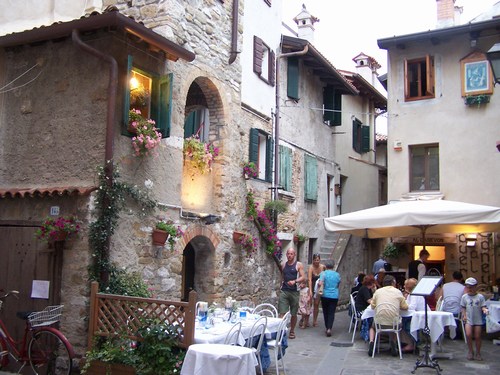
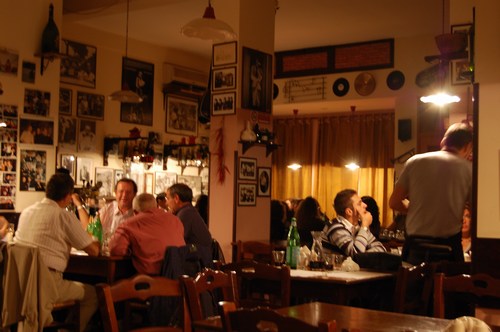
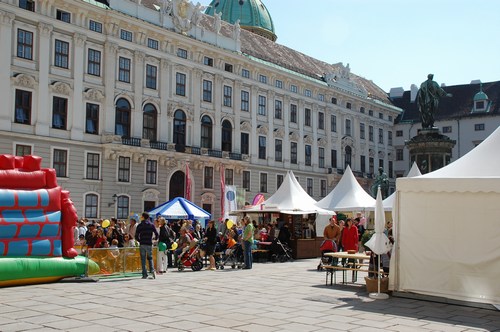
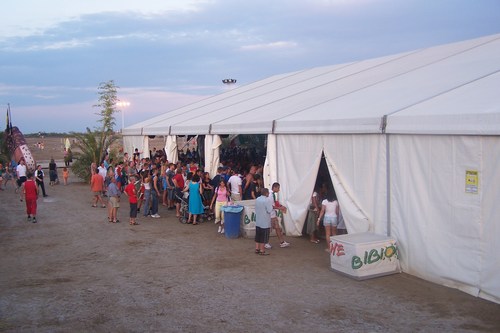
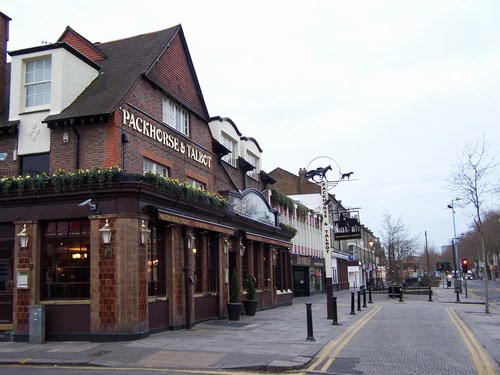
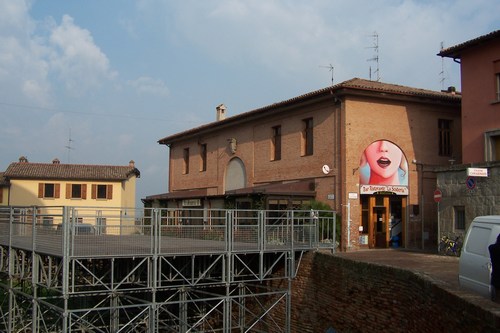
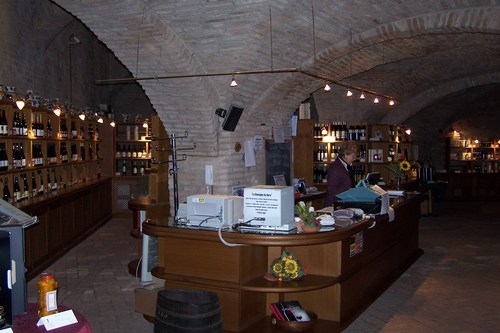
To conclude this discussion on drinks and bars, here are some of my pictures of pubs, bars, bar-restaurants from different countries of Europe:
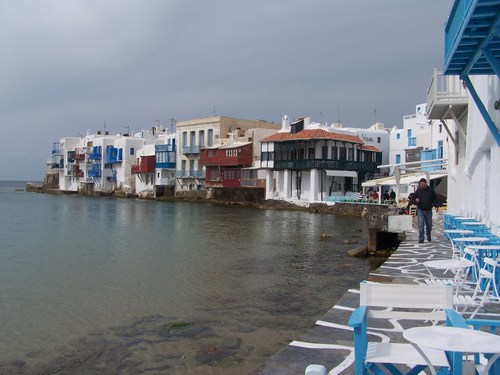
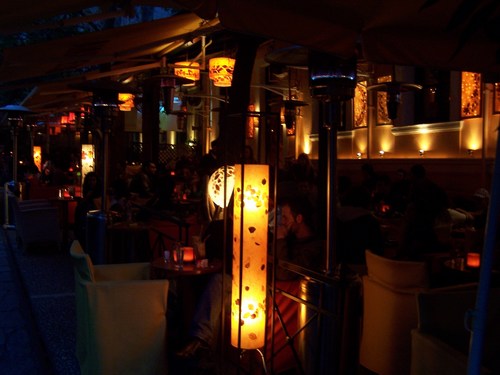
Having a drink in Europe - pubs and bars

Reliving teenage dreams in Florence

Even after decades, can we ever forget those first giddy confused times, when our bodies changed, hormones were raging and suddenly we thought that we were in love with some one, and the world seemed stronger, sharper, more colourful?

And then, how does it feel when many years later, suddenly you find yourself sitting in front of one of your old dreams? It happened to me yesterday and I felt confused, stuttering and giddy, as if I had gone back to being sixteen once again.

But let me start from the other things, before telling you about my meeting with my teenage crush.

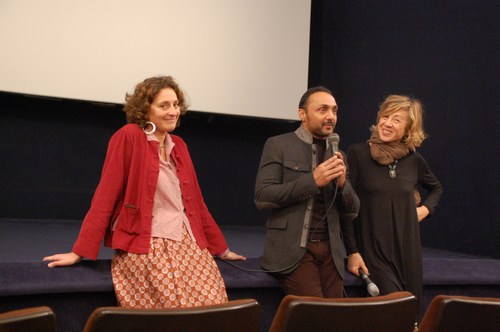
Yesterday, 8 December was the day of Rahul Bose and Onir's new film, "I am" in River to River film festival in Florence, Italy. River to River is the most important festival of Indian films in Italy since 2001 and is directed by Ms Selvaggia Velo. This year it has an important retrospective of Satyajit Ray's films.

Rahul Bose has five of his films in the festival this time - Split wide open, Every body says I'm fine, Mr. and Mrs. Iyer, I am and The Japanese Wife. I had already seen Every body says I'm fine and Mr. and Mrs. Iyer but still it was good to see them again.

I had not seen Dev Benegal's "Split wide open" and I loved it. It has plenty of scenes that usually create great scandals in Indian media including, plenty of Hindi cuss words, two integral nude scenes of Bose, a steamy sex scene and even a scene where the mumbai mafia don takes out his dick hanging it in Bose's face. So they must have talked a lot about this film when it had come out in 1999. However, I hardly knew anything about it and so had started watching it without too many expectations. If you have not seen it, get hold of a DVD and watch it.

River to River festival 2010, Rahul Bose, Selvaggia Velo

In the picture above, Bose is answering questions by the audience after the film. Next to him are Selvaggia Velo, festival's director and the English/Italian translator (sorry for not asking her name).

I had a conversation with Bose, that focused mainly on his involvement in the NGO called The Foundation, and touched superficially about his films.

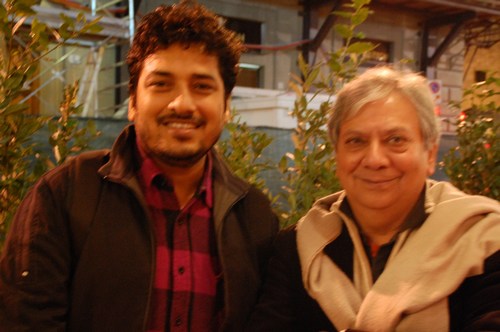
Coming out of hall, I ran into Rizwan Siddiqui and Vijay Singh. I had seen Rizwan's short film "Kharboozey" on 7th. Vijay introduced himself and told about his works including a film called Jai Ganga. I need to look for his works and see them. Rizwan lives in Lucknow and Vijay is based in Paris.

River to River festival 2010, Rizwan Siddiqui and Vijay Singh

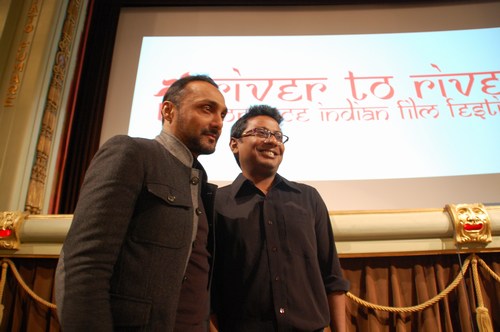
Then it was the time for the Italian premier of Onir's film, "I am". Here are film's director Onir and one of the actors, Rahul Bose.

River to River festival 2010, Rahul Bose, Onir

The film is beautiful and as usual for Onir's films, has beautiful music. Made of four inter-related stories, characters from each story spill off into others, the film touches on some of the sensitive issues including child abuse, homosexuality, artificial insemination and conflict-religion issues. The stories are based on real life incidents. Onir was telling that it will probably release in India in February 2011. Don't miss it.

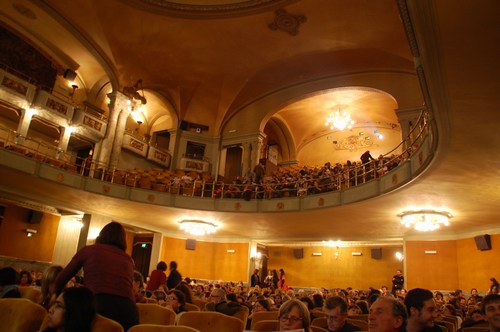
The cinema hall where they are holding the main festival, Odeon, is one of the historical old-style theater of Florence. Yesterday, for "I am" it was full.

River to River festival 2010, cinema Odeon Florence

Now about my coming accross one of my teenage dreams, Ms. Aparna Sen. Her "Iti Mrinalini" opened the festival and her "The Japanese wife" is going to close the festival today evening (9 Dec.).

I had read lot of her interviews and had thought of asking her a lot of questions. But in front of her, I felt confused and forgot half of my prepared questions. I don't remember what she answered and probably I was a very distracted interviewer, asking something, then interrupting her, and all the time sneaking looks at her! Hopefully she is used to men like me and didn't take me for being exceptionally stupid or clumsy.

The evening after talking to her, passed in a daze. Couldn't have asked for more! Thanks Ms. Sen.

River to River festival 2010, Aparna Sen

If you wish, you can see Aparna Sen's Question-answer sessions after Mr. and Mrs Iyer at the festival on Youtube. On the same page, you can also find links to videos of Rahul Bose answering questions.

***

Must see places in Bologna

Are you planning a visit to Bologna and would like to know what places you should visit? Or, you have looked at the tourist guides, but you would like some thing more? Often people coming to Bologna ask my advice. Naturally my advice depends upon my interests. When I visit a place, I like understanding about local history, and arts. I also like visiting any sites of archeological interest. This list reflects these interests.

Places to see near Bologna:

Let me start with two places that are not in Bologna but are very close and can be a great for a half day trip: Marzabotto and Dozza.

(1) Marzabotto is a small town, to the south of Bologna, at the foothills of Apennine mountains. Marzabotto is a stop on the Bologna-Porretta train line and there are frequent trains from the Bologna railway station.

On one of the hills called Monte Sole, not very far from Marzabotto, during the last phase of second world war, there was a massacre of civilians by German troops. Between 29 September to 5 October 1944, 770 civilians were killed including 216 children, 316 women and 142 elderly persons. You can still hear echoes of that massacre in the ruins of houses and churches on Monte Sole.

However, the place I would like to suggest you to visit is the Etruscan necropolis, close to the city. Here was one of the largest Etruscan settlement in this part of Italy and its pre-roman ruins are breath-taking including the strange tombs with round stones. Close to the necropolis, there is an Etruscan museum.

Etruscan necropolis, Marzabotto

(2) The second place, outside Bologna but not very far, that I would like to suggest for a half day trip is medieval town of Dozza. It is to the east of Bologna, on the road going towards the seaside towns of Rimini, Riccione and the small mountain country of San Marino. Located on a small hill with a medieval castle, surrounded by gentle hills known for their San Giovese vineyards, Dozza is like a small jewel. Some decades ago, the old city decided to reinvent itself by inviting artists from different countries to come to the city to paint or to draw murals on the houses. Over the years, a large number of houses in the old city present those artwork in a permanent open-air art exhibition.

Walking on the cobbled streets, surrounded by colourful paintings and artwork is a wonderful experience. The basement of the medieval castle of Dozza holds the regional Enoteca, vine tasting and selling centre with the possibility of trying some of the best vines from Emilia Romagna region.

Cobbled streets of Dozza

To go to Dozza, you can take a bus going towards Imola from the regional bus station of Bologna, not very far from the central railway station.

Places to see in Bologna:

Now we come to my favourite places in the city. These places may be mentioned in some tourist guidebooks but usually these are not considered important. Some of them may not be there in the tourist guidebook, or at least not in the way I want you to look at them. I am going to start from the southern edge of the city and work up my way towards the north and east. Thus the order of the places I am suggesting is geographical and not because of their importance or beauty. Most of these places do not require a ticket, they are free.

(3) Third place on my list is a hiking trip near Parco della Chiusa (Parco Talon), a huge park and protected forest around a small dam on the river Reno located in Casalecchio di Reno, a suburb on the southern edge of Bologna.

Take the road next to the church, without entering the Park and walk up. This place has bomb shelters from the second world war, when many persons from Bologna had taken refuge there. In two minutes you will find yourself in a protected forest and the first of the “cross-stations”, the small altars along the mountain track to commemorate the 12 places where Jesus had stopped before his crusifixtion.

Hiking near Parco Talon

The hiking trip is for following the trail of the cross-station altars to reach the San Luca church at the top of the hill. Views from the top are beautiful and hike itself, in the middle of protected forest area is wonderful. At places the climb is a little steep, but for most parts it is fairly easy. Remember to wear sturdy shoes, take a wind-cheater or a jacket with you and do it in company, don’t do it alone.

For coming down from San Luca try the stairs and the covered archway that starts from the city centre and goes up all the way to the church.

To reach Parco della Chiusa, take a bus like 20 going towards Casalecchio and get down at the bus stop just after the park.

(4) Fourth place on my list is the Certosa cemetery near the city stadium. The 2000 years old cemetery is built on an old Etruscan archeological site and requires at least half a day for a proper visit. It is divided into sections and is full of “monumental graves”, graves built like monuments with beautiful sculptures representing ideas and fashions of different historical periods.

Certosa cemetery

It is like a huge open air museum. I have been there many times, but still there are parts of the cemetery that I have not yet explored.

To go to the cemetery, take any bus going towards the stadium (14, 20, 21, 89, 94) and get down at Certosa.

(5) Fifth place on my list is the old port of Bologna, that goes back to the time when the city was criss-crossed with canals. After the second world war, unfortunately most of these canals have been covered for making parking places and roads.

Inside the old city, there are a number of places where you can go down for an underground visit to the old canals including some Roman ruins. Usually you need to book these tours in advance and pay for them. However, the place I am suggesting is just outside the old city and here the canal comes out in open.

You can start your visit from the corner between Via Minzoni and Viale Pietramellara, the circular ring road surrounding the old city. Here you can see the Salara, the salt house of the old port. It now hosts the Bologna Gay, Lesbian, Bisexual and Transgender (GLBT) centre with a wonderful library on GLBT themes and a very lively restaurant in the basement, inside the moat, venue of many cultural events in the evening.

After the visit to Salara, we need to go to the old port. The ruins of the main port are close to via Gagarin. You can take bus 11A or 11B going towards Via Agucchi and get down in Via Gagarin and look for the canal. On one side of the road, next to the canal is Villa Angeletti, a beautiful park. On the other side, there are apartment buildings and an unimportant looking small track that goes along the canal. Take this unassuming track and a 5 minutes walk will bring you to a wonderful place hidden from the main road – the ruins of the old port.

Old port

Behind the port, the canal is divided into two parts with a long and narrow island between the two sides. Stairs go down to the island and is a wonderful place for a walk and for bird watching. If you feel like it, you can even walk along the canal to the “chiusa”, the place where boats were lifted up for moving in the canal. You can also visit the industrial museum close by.

(6) Now we start moving towards the centre of the old town and I suggest a stop at St Francis church at Piazza Malpighi. One of the earliest buildings of French gothic architecture style in Italy, it was damaged during the second world war and you can make out the repair on its façade. It was used as a customs house during Napoleon’s occupation of Bologna in eighteenth century. Used as a meeting place for the arts students in medieval Bologna, it is worth visiting for the graves of law teachers. There is a wide variety of statues, lying down, busts, reading a book and many more, above the graves. There is the grave of a heretic Pope, Pope Alexander V, also known as Anti-pope. The slender bell tower is very beautiful.

St Francis church

The cloister of St Francis church has one of my favourite engravings of a classroom scene from medieval Bologna. It shows that bored teachers and playful students haven’t changed after so many centuries.

(7) From St Francis church let us now move towards the central city square, Piazza Maggiore. Just let me mention the wonderful Sala Borsa, as you enter the square near the Neptune statue. Sala Borsa’s last incarnation was as the Bourse or the share market, but before that it was a general market, a park with a water reservoir and fountains, a botanical herbal garden of monks and even before that an old inhabited site with two thousand years old Roman ruins.

Sala Borsa now holds the central library of Bologna. Its wedding cake like balconies with a beautifully painted roof is worth a look. But even more important is to look down through its transparent floor, where you can see the old ruins from different archeological periods.

Sala Borsa

(8) After Sala Borsa, enter the Palazzo d’Accursio next door and walk to the wonderful stairs at the back, that were made for horsemen to gallop up the two floors without slipping. Go the second floor for the Municiple art collection of Bologna. The second floor main hall is wonderful with its frescoes in different shades of browns. Take a look at medieval frescoes in the Sala Farnese and you will feel like standing there and gazing at them endlessly. (If you have problems in climbing the two floors, you can look for the elevator).

However, don’t get lost with Sala Farnese, remember to go to the Municiple art collection (you will have to collect a free ticket). If you don’t have the time to go through all the collection, ask one of the volunteers there to guide you to the Pelagio Pelagi collection. This rich nobleman of Bologna has left his art and sculpture collections to the city and a key part of his collection are his own works. I love his paintings and I think that he merited more appreciation. Probably he was dismissed for being a “rich art lover” and never got his due as an artist.

Pelagio Pelagi art collection

(9) After you are done with admiring the square and the cathedral, I suggest that you move to Santa Maria della Vita church on Via Clavature, 5 minutes walk away from the square. This church was part of the oldest hospital in Bologna and you have time, you can take a look at the old hospital museum next door. But don’t miss the “ugly Marias” of Bologna inside the church, in a side room, that can be reached by small stairs next to the altar. These are a set of terracotta figures made by Niccolò dell’Arca showing the dead Christ and the grieving Marias (Mary, Christ’s mother and Mary Magdalena), their mouths open in a silent scream.

Ugly Marias of Bologna

They are incredibly moving, though Bologna men are known for calling any ugly looking women as “like the ugly Marias of Bologna”.

(10) The next on my list is the small St. Cecilia chapel on Via Zamboni, 10 minutes walk from Via Clavature. You will see the faded frescoes on the outside wall of St. Cecilia church and underneath the archway, desperate looking signboards asking you to visit the chapel. For once, it is not a ploy to lure unsuspecting tourists to some mediocre sightseeing visit. The chapel is worth a visit and it is a pity that it is so little known.

Via Zamboni and St Cecilia church

If you follow the signs and go through the side entrance, you will find yourself in a passageway with a small door pointing towards the chapel. The shock when you enter the chapel after such unassuming entrance is worth the visit. The bright coloured frescoes covering all the walls are like a hallucination. It is a small chapel and yet the quantity of images and colours it contains is very impressive.

(11) Now we move to my last stop for this Bologna trip. This is another climbing trip. Walk back to the twin towers in the centre of Bologna and enter the tower of Assinelli. There is a three Euro ticket and the climb up the narrow winding stairs is tiring. Every now and then, depending upon the state of your lungs and body weight, you will need to stop, catch your breath and look out of narrow windows at the panorama of Bologna.

But the view from the top is really great, it is literally breath-taking, and it makes you understand why Bologna was called the city of towers. Most of the towers are gone now, but still hidden among the buildings, there are enough of them to justify this name.

If you are in Bologna on a snowy winter day, the view from the top becomes even better with snow covering the roof gardens of old city.

Snow and christmas lights from top of the tower

Conclusions:

There are many more places that I love in Bologna. When I had started to write this post, I was thinking of mentioning seven best places, but I just couldn’t decide which ones to leave out. However, I can easily add another 11 places, and I am sure that there are many more things to do in Bologna, that I still need to discover.

If you do come to Bologna and this post is useful in some way, please do remember to tell me about it.

You can also download a PDF version (without images) of this post for printing and carrying with you to Bologna.

Favourite Italian models 2010

One of my friends likes nude female forms on his desktop, and oscillates between paintings of famous patiners like Rubens and the models in flesh and blood. I noticed that he had placed the icon of the trashbox right between the legs of his current wallpaper-heart throb and I was wondering, what it could mean in psychological terms? Any guesses from the psychiatrists or psychologists among you?

Anyway, I was talking to him about his favourite Italian top-models and this is the list he gave:

No. 5 Barbara Montereale - she is the young single mom, who had come to news for having gone to some parties of Italian prime-minister, and has since done some calendars, etc.

Italian top models and sex symbols, 2010

No. 4 is Chiara Salvadé - she is a newspaper and radio journalist, as well as a model.

Italian top models and sex symbols, 2010

No. 3 is Emanuela Fulgori, who is a model.

Italian top models and sex symbols, 2010

No. 2 is Bianca Balti, the Italian top-model and actress, who came to limelight after she was chosen for a Dolce & Gabbana campaign.

Italian top models and sex symbols, 2010

No. 1 is Lucia Galbava, a new and upcoming model. Actually she is from Bratislava, but my friend insisted that since she is working for Italian fashion, so she can be considered Italian top model.

Italian top models and sex symbols, 2010

Personally I like the idea of Chiara Salvadé, since I like the idea of beauty with brains, but I don't like her pictures. However, if I have to chose my favouirtes from the Italian covergirls, I would choose Margherita Buy. She is no girl, but is a wonderful actress and I like her very much.

Italian top models and sex symbols, 2010

Actually I prefer, Indian women dressed in traditional Indian dresses as wallpapers for my desktop, but if I have to choose an Italian face, I would prefer it to be Margherita Buy.

Meaning of dance

This post is on reflections about different meanings and ways of interpreting dances, and presents some images from World Dance Day celebrations in Bologna (Italy).

Giornata mondiale della danza, Bologna, 29 aprile 2010

If someone asks you, "what is the meaning of dance for you?", what would you say? Perhaps my question is not so clear, and another way of putting that question could be, "How would you define dance?" or even, "what kind of feelings does dance give you?"

Giornata mondiale della danza, Bologna, 29 aprile 2010

I think that if someone asks me this question, I would think about the drum beats, the rhythm, the desire to move my feet with the beats. As a child, I used to go the school, where my sister was learning kathak and I was supposed to study arts. Kathak has a basic step, "Ta thai thai tat, aa thai thai tat", just watching my sister do it for hours every day, I must have picked it up from there. Now, when I watch a dance that I enjoy, I often find that my feet still follow that old rhythm of Kathak.

If I think of classical dances like Bharatnatyam or Odissi, the same question would make me think of grace, harmony, beauty and years of practice.

Giornata mondiale della danza, Bologna, 29 aprile 2010

Yesterday was the "Giornata Mondiale della Danza" (World Dance Day) and our city, Bologna celebrated it in grand style. Culturally, Bologna is one of the most exciting cities in the world. If you love archeology, arts, dance, music, films, literature, or even history and philosophy, Bologna gives you ample opportunities through out the year to choose events, where you can interact with artists, thinkers and writers and participate in wide variety of events, often free of cost. Still, yesterday's dance event was really special, even for the Bologna standards.

The organisers had asked different dancing schools and groups of Bologna to present their works in the different city squares. Most of these are open spaces, but there are also a few covered squares in the city. Such wide open spaces with fountains, statues and old historical buildings, can be seen in many countries of Europe, but are distinctive character of Italy.
Giornata mondiale della danza, Bologna, 29 aprile 2010
In India such spaces, without people trying to sell things or motorbikes and cars passing through, are unimaginable. But then, India with its burning hot sun for most parts of the year, is probably not suitable for open "Piazzas" (squares), though till 20-30 years ago, certain parts of New Delhi, around Birla Mandir and Parliament house had many open spaces. However, I am digressing here, let me go back to my theme of dances.

While I walked from one square to another, feeling like a guest at a wedding buffet, tasting one dance here, moving to another dance there, I was thinking about the meaning of dance, especially the modern interpretations of dances.
Giornata mondiale della danza, Bologna, 29 aprile 2010
For example, what do you think when you see a group of children with disabilities dancing? Do you feel a little goody-goody, thinking that everyone has right to be happy and to participate in dancing and thus even disabled children have a right to dance? I suspect, that such feelings are sometimes accompanied by certain other thoughts, that we may not say to ourselves, because they are not "politically correct". This is because we attach certain expectations to how we expect people to dance and to be good looking, to be graceful and to be perfect? Perhaps if we can accept that dance is about being happy and expressing that happiness, we can appreciate that dance better?

Yesterday one of the dances that I saw was very strange. In Galleria Galvani, next to the archeological museum, a girl was wrapped around an old pillar, with its paint peeling off. She was staring at some detail of the pillar and moving in extreme slow motion. Another girl with sad face, hid behind another pillar. A third girl with a basket on her head, her dress torn, a shoe on one foot and the other foot shoeless, her face lost in her own thoughts, moved slowly down the stairs. A boy with a old cord tied to his t-shirt like a tail, pulled an old broken table. There was no music.
Giornata mondiale della danza, Bologna, 29 aprile 2010
My first thought was that this is some kind of new-age dance and it will be better to go and look for something better. Fortunately I statyed there, looking at them and letting my mind run free. Perhaps they are representing life in stones and "inanimate" objects, I thought, since I feel that everything in this universe has life, including mountains and houses, may be in different forms. Then I thought of mental illness, the pain of depression, the bottomless grey pit from which, it is difficult to come out.

Suddenly watching those dancers, moving in slow motion was a strong emotional experience. Feeling their pain, I felt like crying. So I think that meaning of dance is to transmit emotions, and if it can then it is a good dance, even if it is not about rhythm or beats.

In an old gallery, that widens into a covered square, there was a group of "oriental" dancers. They were wearing little clothes, with open hair and middle-eastern or arabic music, doing sensual belly dances. Most the persons watching these dances were women and they were very loud in expressing their appreciation by blowing whistles and clapping. I think that dancing is also about expression of sexuality, a liberation from all those taboos that chain us.

Giornata mondiale della danza, Bologna, 29 aprile 2010

Wild movements of hips and powerful drum beats from Africa that pulsed in the whole body, making me sway and move, were also about sexuality, about being free from all shackles, about expressing ourselves without shame or inhibitions. This dance was in the wonderful setting of Piazza Nettuno.

Giornata mondiale della danza, Bologna, 29 aprile 2010

Close by in Piazza Maggiore, in front of the municipal pharmacy, there was Kairos, a group of young people doing strange contortions accompanied by songs that used everyday words in new ways. Can contortions, arms and legs intertwined, mean dance?

Giornata mondiale della danza, Bologna, 29 aprile 2010

One of the most emotional moment yesterday was during the Bharatnatyam recital, when the CD player had some problems and got stuck. The Narthaki group under the guidance of Alessandra Pizza was embarrassed for a moment, till Alessandra decided to sit down and sing the song herself. The Sanskrit words, her voice full of passion and emotions, her hands drawing the gestures in the air, she seemed like an ancient Indian guru, graceful and wise.
Giornata mondiale della danza, Bologna, 29 aprile 2010
Just watching her made me feel goosebumps all over. She was not dancing herself, only guiding her students to dance, but looking at her was as electrifying as any dance could be. So perhaps for dancing, people do not really need to dance, they can just make our imaginations dance? What do you say?

Giornata mondiale della danza, Bologna, 29 aprile 2010